The Henson razor arrived with a wave of promises: tool-room tolerances, rigid blade clamping, and a shave that feels almost impossible to mess up. After years of using everything from a disposable razor grabbed at an airport kiosk to a vintage Merkur 34C that has outlived three bathroom remodels, I was skeptical. Then I put steel to stubble. The Henson changes how a double edge razor behaves by dialing down blade exposure and chatter, and the technique shifts with it. If this is your first single blade razor or you’re migrating from a cartridge, you’ll be fine — just follow a measured setup and give your muscle memory a few shaves to recalibrate.
What makes the Henson different
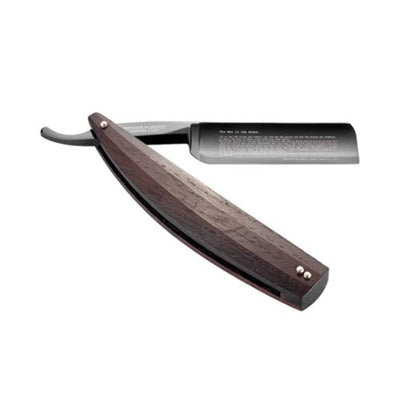
Traditional safety razors (including many beloved models like the Merkur 34C) rely on your angle and pressure control to manage blade exposure. They can be forgiving, but they ask you to learn their quirks. A straight razor or Shavette pushes that even further, offering supreme control at the cost of a steeper learning curve. The Henson’s head geometry and tight tolerances clamp the double edge razor blade along a longer span than usual, which reduces flex. That rigidity, coupled with shallow exposure, creates a shave that feels secure even when you’re new to it. It doesn’t mask mistakes, but it shrinks the consequences.
Rigid clamping matters most on coarse growth or tricky grain maps. With a flimsier head, you can feel the blade sing and sometimes skip. The Henson keeps the edge quiet. If you’ve ever had the lower neck light up after two passes with a typical safety razor, you’ll likely notice less sting here, especially paired with the right shaving soap and a light touch.
Unboxing and inspection
Before the first shave, slow down and learn the parts. The top cap and base plate sandwich the blade, threading onto the handle through a long post. The machining should look crisp with clean edges and even anodizing if you’re using an aluminum model. Check that threads engage smoothly and that the cap seats flush on the plate without rocking. It sounds fussy, but this habit will save you from cross-threading and accidental burrs, which can telegraph as roughness on the face.
Handle weight and texture vary by model. Aluminum feels airy and quick. Titanium adds heft and a touch more momentum on the stroke. If you’re transitioning from a heavy stainless steel razor, the lighter Henson might initially cause you to press. That’s the wrong instinct. Let weight be a preference, not a crutch.
Choosing the right blades
Double edge razor blades are not all the same. They differ in grind, coating, and stiffness. With a Henson, sharpness pairs well with rigidity, because the head keeps the blade steady and prefers a keen edge over a tuggy one. If you normally use a forgiving, mid-sharp blade in a Merkur 34C, you may go a notch sharper in the Henson because the geometry damps the bite.
Start with a small sampler. Look for a range that includes a coated sharp blade, a modern stainless with a smoother feel, and something classic that you’ve perhaps seen praised in shaving forums. You might notice that blades like Feather or Nacet feel less intimidating here than in other safety razors. If you have sensitive skin or shave daily, a medium-sharp stainless often hits the balance: enough keenness to cut cleanly, soft enough to resist overexfoliation.
Blade lifespan is personal. On my face, with a daily shave and standard prep, three to five shaves per blade remains the sweet spot. Coarse growth can drop that to two to four. If your final pass starts tugging or you see more alum feedback than usual, swap the blade. Blades are cheap, and chasing one more shave rarely pays.
Pre-shave routine that actually matters
Hot showers are optional, hydration is not. Hair softens with water over time. Two to three minutes of warm water on the beard area goes further than a quick splash. If you skip the shower, press a wet washcloth against your face twice, letting it sit for 30 to 60 seconds each time. Work a dab of mild face wash or glycerin soap to remove oil, which can repel lather and encourage skipping.
A shaving brush amplifies hydration and lifts hair. Badger, boar, synthetic — all can work. Synthetics are easy, consistent, and dry quickly. Load your shaving brush with a proper shaving soap or cream until the tips look pasty, then build lather in a bowl or right on your face, adding a few drops of water at a time. You want a glossy lather that forms peaks and flows without large bubbles. Too airy and the blade outruns lubrication; too dry and you’ll feel drag.
Pre-shave oil divides opinion. With the Henson, I skip it unless the air is bone-dry or I’ve neglected skin care and feel rough patches. Oils can blunt feedback and may clog if you overdo it. If you use one, a thin film is sufficient.
Loading the blade, safely and squarely
The Henson’s top cap design makes alignment straightforward, but sloppiness still invites cuts. Wash and dry your hands to keep a firm grip. Handle the blade by the short edges. Loosen the handle from the head and separate the top cap and base plate. Set the blade onto the posts or tabs on the cap. Check that it lies flat and centered. Place the base plate over the blade, then thread the handle snug. There’s no need to torque it down like a gas fitting. If you see uneven reveal, something is off; disassemble and reset rather than accept a misaligned edge.
A fresh blade has a slight coating. The first stroke will feel slicker than subsequent ones. Don’t read too much into the first pass; judge the blade after the full shave.
The correct angle and pressure
Cartridge habits tell your hand to press and let the pivot solve angle. That leads to razor burn with a single blade razor. The Henson wants a neutral, shallow angle. Place the cap flat on your cheek, then roll the handle down until you just feel the blade engage. That is your starting angle. During the stroke, keep it consistent by tracking skin topography with micro-adjustments, not wrist flicks. Aim for strokes about two to three centimeters long early on, which keeps you honest.
Pressure is where most beginners go wrong. Think of guiding the razor rather than forcing it. If you see skin bunching up in front of the head, you’re pressing. The razor should skim with the weight of the handle doing most of the work. The moment the sound of cutting stubble fades but you’re still moving, lift off. Chasing bare skin on the first pass is a good way to overwork the surface.
Step-by-step first shave
- Hydrate the beard area with warm water, then build a glossy lather using a shaving brush and shaving soap or cream. Paint the lather on and then gently swirl to lift the hair. Add drips of water until the surface shines without bubbles. With the Henson loaded and checked, start on the flat part of the cheek. Cap flat, handle down until the blade whispers, then move with short, overlapping strokes going with the grain. Rinse the head often, every two or three strokes, so the razor blades don’t hydroplane on spent lather. Move to the jawline by stretching the skin lightly with your off-hand, shaving just below the edge, then roll onto the jaw with micro-angles. Keep the motion smooth. For the neck, map your grain first; many necks grow sideways or in swirls. Follow the grain even if it feels odd. Rinse, relather, and make a second pass across the grain if your skin tolerates it. For many, this is enough for a daytime office shave. If you want ultra-smooth, add a third pass against the grain on resilient areas only, like the cheeks. Leave fragile spots, such as the lower neck, at two passes. Rinse thoroughly with cool water. If you use an alum block, swipe lightly, learn where the sting is, and then wash it off after 30 seconds. Pat dry, then apply a modest amount of alcohol-free balm. If you prefer a splash, use one with humectants and follow with a balm if you feel tightness.
Managing tricky zones
The upper lip and chin often terrify beginners. Shallow angle, minimal pressure, and skin stretching rule the day. Tuck your lip over your teeth to flatten the area, shave downward with the grain, then across if needed. For the chin, work in facets. Tilt the head to present a flat plane to the razor, shave that plane, then re-tilt for the next. If the blade chatters on the point of the chin, you’re either too steep or the lather is too dry.
The Adam’s apple can be solved with a swallow-hold, then slide the skin to one side with your fingers and shave the displaced area. When you release, you’ve covered the center without riding the bump. If you tend to get red dots there, skip against-the-grain on that spot and accept a near-BBS finish rather than perfection.
How the Henson compares to other tools
Compared to a Merkur 34C, the Henson feels more locked-in at the edge and less likely to punish a momentary lapse. The 34C has a friendly reputation, and deservedly so, but it allows a touch more blade flex, which can translate into variable feel on multi-day growth. Against a traditional straight razor or a Shavette, the Henson wins on speed and ease, though it cannot match the straight razor’s ability to mow through very long hair in one silent sweep. If you are coming from a disposable razor or an edge razor cartridge with multiple blades, expect a cleaner finish with fewer ingrowns after a week or two, once your skin adjusts to single-blade exfoliation.
Some will ask why bother when cartridge systems have improved. The short answer is control, cost, and skin health. Double edge razor blades cost pennies per shave and offer consistent sharpness. Single edge passes mean less cumulative irritation. You also avoid the plastic footprint of multi-blade cartridges. If you enjoy ritual, building a lather with a brush and soap turns a chore into a calm routine.
Lather technique details that change the shave
A well-hydrated lather leaves a thin, sheeny film after the pass. If your face looks chalky or the razor skips, you are underhydrated. If the lather vanishes before you finish a cheek, your soap might be too airy or the water too hot. I prefer water just warm enough to feel comfortable, not steaming. Boiling-hot water can deflate lather and parch skin. For hard water, choose soaps known for tolerance. If you travel, creams in tubes handle variable water quality better than some triple-milled soaps.
Face lathering offers a built-in pre-exfoliation that helps with flat-lying hair. Bowl lathering gives control over consistency and helps when you’re learning because you can watch the lather transform. There’s no medal for either; use what supports the shave you want.
First-week expectations
Your first two or three shaves form the learning curve. You will likely leave patches of stubble until your angle sense sharpens. That’s normal. Resist the urge to buff relentlessly. Instead, relather and https://privatebin.net/?649c2a7be9843251#2K3cxTKxMG9hmcwKPhWxxZKFomUE9X8YufbuM3y2BAp2 take a gentle cleanup stroke across the grain. Pay attention to feedback: the faint sandpaper sound of cutting, the drag of skin that needs more water, the tingle that means you have overworked a spot. After a week, most users settle into two-pass, irritation-free shaves that equal or beat their best cartridge results.

If you experience consistent redness, look at three culprits in order: pressure, angle, and blade choice. Pressure is almost always the first. If you’re sure you’re light-handed, make the angle shallower until the razor barely engages, then add a degree at a time. If you still feel roughness, try a smoother blade rather than a sharper one for a couple of shaves, then re-test the sharp blade once your technique improves.
Cleaning, care, and blade disposal
At the sink, rinse the head from the underside to push lather out. Do not slap the razor against the faucet, which can nick the guard or chip the coating. After the shave, loosen the handle half a turn and rinse again. If you see residue, a soft toothbrush and a drop of dish soap take care of it. Hard water deposits yield to a short soak in a 50/50 white vinegar and water solution, followed by a rinse and dry. Dry the handle and stand, not the blade, to avoid accidental cuts.
Blades belong in a blade bank or a puncture-proof metal tin, not in the trash loose. When it’s full, tape it shut and check local disposal rules. If you travel frequently, some countries restrict loose razor blades in carry-ons. Keep a small pack of blades in checked luggage and a disposable razor in your dopp kit as a backup. A note for those who also collect cigar accessories and carry-on tools: airport security treats razor blades differently from cigar cutters. Plan accordingly.
Troubleshooting common issues
If the shave feels too mild and you need endless passes, change only one variable at a time. Move to a sharper blade, then reassess. If you already use a sharp blade, increase hydration. Thick, dry lather can feel protective but lifts hair poorly. Another trick is to stretch the skin just enough to present a flat surface; too much tension raises whiskers aggressively and can make ATG harsher.
If you get weepers along the jawline, look for angle drift as you ride over the curve. Practice short, segmented strokes, resetting the angle each time. If you suffer ingrowns, avoid against-the-grain on that area for a week and exfoliate gently with a washcloth between shaves. The Henson’s single pass with a sharp blade typically reduces ingrowns, but hair growth patterns and previous irritation take time to normalize.
If your lather keeps clogging the exhaust channels, thin it slightly and rinse more often. The Henson doesn’t need a thick cushion to be comfortable; it needs slickness and water. When you hit the balance, the razor glides and you can see a faint, even track in the lather without dry spots.
Building a minimalist, effective kit
You do not need a cabinet full of products to get excellent results. A Henson razor, a dependable pack of double edge razor blades, a synthetic shaving brush, and a reliable shaving soap or cream form the core. Add a mild, alcohol-free balm and an alum block if you like diagnostic feedback. If you enjoy scent, keep it separate from performance. Some heavily perfumed soaps smell great but underperform; in that case, use a high-performance unscented soap and finish with a splash or cologne.
If you are tempted by gear rabbit holes, aim your curiosity at blades and lather first. Razors and Razors accessories are fun to collect, but technique plus a handful of blade types will change your results more than a new handle knurl. For those with a Merkur 34C on standby, alternating between the two can teach your hand how geometry influences feel. You’ll notice the 34C tolerates steeper angles and rewards a slightly firmer hand, while the Henson asks for neutrality and patience.
Edge cases: tough beards, sensitive skin, and long growth
Tough beards benefit from more water contact time before the shave. Work in the lather and let it sit for a minute, then refresh the surface with a few brush swirls. On a three-day growth, take a with-the-grain pass, rinse, then relather and go across. If you still feel resistance in dense areas, a light cleanup pass at a diagonal to the grain often clears the last layer without going fully against.
Sensitive skin does better with cooler water and fewer fragrances. Use two gentle passes max for the first week. If you react to alum, skip it and monitor by feel instead. Post-shave, a simple balm with ingredients like glycerin, squalane, and panthenol goes further than something packed with menthol and perfume. Save the tingle for a separate splash once your skin is happy.
If you let growth run long, you can either trim first with clippers or take a pre-pass with very shallow angle and even lighter pressure, essentially mowing to reduce length before you truly shave. A straight razor excels here, but the Henson can do it with patience and thorough rinsing.
Aftercare that keeps progress steady
The best shaves are cumulative. Rinse, pat dry, then apply a pea-sized amount of balm while the skin is still slightly damp. If your environment is dry, a humectant-rich product holds water in the skin and minimizes the temptation to over-shave the next day. If you use a splash, go easy. Alcohol has its place, but too much every day demands more healing time.
Store the razor upright if you have a stand. If not, lay it on a clean towel and avoid leaving it blade-down on porcelain. Once a week, break the razor down fully, rinse, dry, and give the threads a quick look. A drop of mineral oil on the threads every few months keeps everything smooth, especially on titanium or stainless handles.
A note on regional buying and support
If you are shopping from Canada, Henson Shaving Canada and several Canadian retailers stock blades and stands along with the razor. Buying locally can shorten shipping time and simplify returns. Blade variety sometimes differs by region, so a small sampler from two sources helps find your match quickly.
Confidence through repetition
The Henson’s appeal rests on predictability. When you hold a consistent angle and keep pressure feather-light, the shave becomes almost meditative. The first week is practice. The second brings speed. By the third, you know exactly how your neck grows under the ear, how much lather you need for a third pass, and which razor blades match your skin that day. That’s the quiet advantage of a single blade razor done right: fewer surprises, better skin, and a ritual that respects both time and results.
One last tip from the field: if a shave starts poorly — maybe the lather is off or you’re rushed — do one gentle pass with the grain, rinse, and call it. No razor pays interest on a bad start. The Henson will be ready tomorrow, and with the right setup, so will your skin.