Henson razors won a loyal following by doing something rare in grooming: engineering simplicity. The head geometry limits blade exposure and chatter, the handle tolerances feel aerospace precise, and the shave rewards a light touch. Accessories should follow the same logic. They ought to make your daily routine cleaner, safer, and more consistent, without gimmicks or clutter. After several years of traveling with Henson razors, testing stands across cramped bathroom counters, and juggling double edge razor blades between brands, https://classicedge.ca/collections/shaving-brush-section-pg-828727 I’ve learned what actually earns a place in the kit and what ends up in a drawer.
This guide digs into stands, cases, and blade storage with practical detail. It focuses on Henson, but most advice carries over to any safety razors, whether you reach for a Merkur 34C, a Shavette, or a straight razor on weekends. Where relevant, I’ll call out differences for the AL13 and Ti22 variants, and how your choice of safety razor blades should influence storage and transport.
The role of a stand: more than a display
A stand seems like decor, yet it touches three parts of your shave: drying, protection, and speed. A well designed stand keeps the razor upright, allows water to drain away from the head, and protects the edge between shaves. With Henson, that matters because the design encourages a neutral angle and light pressure. Dulling that edge prematurely turns a forgiving single blade razor into a tuggy chore.
Two design cues to look for: stability and fit. Stability comes from mass and footprint. Fit comes from how precisely the collar matches the Henson handle. A sloppy stand forces the razor to lean and makes drying uneven, while an undersized bore can scuff anodizing on the AL13 or gall the titanium on the Ti22.
Many of us start with the official Henson stand, a compact cylinder with a stepped inner bore. It’s sized for Henson’s handle diameter and matches their finishes from anodized colors to bare titanium. The weight is enough to stay put on wet counters, and the low profile resists tipping when you set the razor down with damp fingers. Alternatives exist, but few get the fit as clean as Henson’s own. If you use a mixed stable of safety razors, including a Merkur 34C or a longer handled Razorock, a universal stand may work, though you’ll trade exact fit for flexibility.
Drying is not trivial. Stainless and titanium laugh off moisture, but plated brass and aluminum deserve a bit of care. A stand that holds the razor upright lets gravity and air do their work. If you shave with a rich shaving soap and a dense shaving brush, that lather can hide in nooks along the cap and safety bar. Standing the razor upright prevents water pooling under the head, which can encourage spotting on some blades or hard water deposits on the cap.
I’ve tried hanging stands that grip the handle near the balance point. They look elegant, but they can pinch the knurling and hold moisture against the metal. With Henson, a simple upright post works better. It supports the lightweight design without pressure points and gives you an instinctive place to set the razor between passes.
Fit and finish considerations for Henson razors
Henson’s finish options aren’t just paint. Anodized AL13 has a microtexture that resists corrosion, but it can mark if forced into a rough stand. Titanium is tougher to mar, yet galling can occur if a tight steel collar rubs repeatedly. If you collect multiple Henson razors, such as a mild and a medium, or keep a color-coded system for shared bathrooms, matching stands avoid mix-ups and preserve the aesthetic. In a household where someone still prefers a disposable razor for travel, distinct stands help keep blades separate and safe.
If you already own a universal stand and find the bore loose, add a thin silicone O-ring inside the collar to cushion the handle. It improves the way the razor seats, prevents rattle, and doesn’t trap moisture the way felt liners can. Replace the ring if it swells or collects soap scum, typically every few months in hard water.
Countertops vary. On a glass or stone counter, a heavy stand with rubber feet is ideal. On wood or delicate surfaces, place a small silicone mat under the stand to catch drips and protect the finish. The mat also gives you a landing zone for your shaving brush and keeps residual shaving soap off the counter.
Traveling with a Henson: cases that earn their keep
A good case shields the head, keeps the blade dry, and fits in a Dopp kit without hogging space. Henson’s head geometry is compact, so travel cases can be smaller than those for a bulky three-piece vintage razor. The best cases immobilize the head and protect the edges of double edge razor blades from snagging fabric or a toiletry bag zipper.
You have three main choices: hard cases, soft sleeves, and modular tubes. Hard cases in plastic or aluminum do the best job against impact and pressure. They suit checked luggage or tightly packed backpacks. Soft sleeves in leather or neoprene save space and weight for carry-on travel, but they rise and fall with how carefully you pack. Modular tubes, such as aluminum cylinders with screw caps, are compact and water resistant. With Henson, I lean toward a hard case or tube because the handle diameter is slim and benefits from the added rigidity.
A small habit changes how well a case works: loosen the razor head a quarter turn after shaving, then remove the blade and pat it dry before travel. A Henson tightens down on a flat plane. Leaving the blade in for days while trapped moisture sits between the top cap and blade can encourage micro corrosion on some razor blades. Even stainless double edge razor blades can develop tea staining if salt and humidity are high. Storing the razor blade separately, in a paper wrapper or a slim blade bank, avoids that issue and makes airport security less anxious if your case ever gets inspected.
Not everyone removes the blade for short trips. If you keep it in, crack the head open slightly so air reaches the edge. Drying matters. It adds twenty seconds at most, and your next shave feels markedly cleaner.
Blade storage at home: order, safety, and lifespan
Razor blades are cheap compared to cartridges, which tempt people to stock up. That’s sensible, but blades deserve storage rules. Keep them dry, temperate, and out of reach. A bathroom steamy from daily showers, especially in a humid climate, accelerates oxidation on paper-wrapped steel. A cupboard away from the shower or a drawer with a desiccant packet keeps blades crisp for months, even years.
I’ve had good results with a simple three-tier approach. New blades live in a small lidded tin labeled by brand. Active blades sit in their paper sleeves in a shallow tray by the stand, away from splash. Spent blades go to a blade bank. Any clean, puncture-proof container works, but purpose-made banks are compact and seal shut. When full, most municipal recycling centers prefer blade banks be taped closed and labeled. Some shaving shops accept returns for safe disposal. Never toss loose blades in the trash. Even thick garbage bags can be pierced, and sanitation crews deal with enough hazards already.
The question of which safety razor blades pair best with Henson will spark arguments. Henson’s milder geometry shines with mid-sharp to sharp blades, and my rotations often include Astra SP, Gillette Nacet, and Wizamet. Feather blades are sharper and reward a featherlight touch, great if you’ve dialed in angle and pressure. If you’re switching from a Merkur 34C to a Henson, expect blades to feel a notch differently. Henson’s clamped design smooths out chatter, so some blades that felt harsh in a looser head become usable. Experiment with a sampler before committing to a 100-pack of double edge razor blades.

As for lifespan, most users get three to five shaves per blade, sometimes more with lighter growth. Coarse hair can drop that to two or three. If you rotate a Shavette or straight razor into the week, your DE blades will stretch further. Don’t chase numbers. A blade that tugs, skips, or suddenly raises alum feedback should be replaced. The economics still beat cartridge systems handily.
Protecting edges between uses
An edge dulls from abrasion and corrosion. We control both. After shaving, rinse with warm water, then a quick cold rinse to contract metal and rinse away soap film. Shake the razor and touch the head with a towel. Avoid wiping the blade edge directly. Even a soft towel can roll the edge microscopically. With Henson, the head tolerances are tight and keep the blade stable. Gentle drying is enough.
If your water leaves mineral spots, a monthly rinse in a 1:10 vinegar solution clears deposits on the cap and baseplate. Rinse thoroughly and dry before reassembly. Don’t soak anodized handles for long periods, and keep vinegar away from natural stone countertops.
For those who want an extra layer of protection, a drop of blade oil on the edges extends life in humid homes. A neutral mineral oil or camellia oil used for straight razor care works well. Pat dry before the next shave to avoid residue on the skin. Many will skip this step, and that’s fine if your environment is dry.
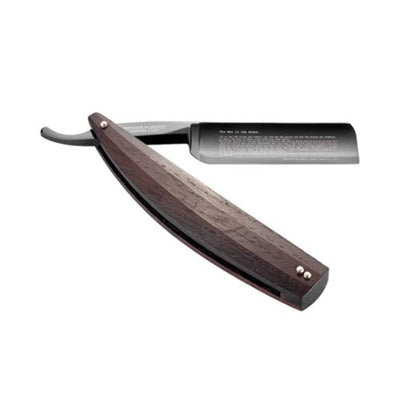
Cases for more than razors: blade packs and small extras
A tidy kit encourages consistency. Alongside your razor case, a compact pouch for blades, an alum block, and a small tube of unscented skin food makes travel straightforward. I keep blade packs in their own mini zip case so they don’t rattle around or snag. If you carry a shaving brush, a ventilated tube prevents mildew. Squeezing a damp brush into a sealed case after a late hotel checkout is a recipe for funk. Let the knot breathe. A simple mesh cap or drilled plastic tube does the job.
There’s a crossover with cigar accessories here. Many travel humidors and cigar cases come with tight seals and rigid walls. They’re overbuilt for a razor, which is perfect if you throw bags into overhead bins or the trunk. I’ve repurposed a small aluminum cigar tube with a bit of foam to cradle a Henson head and handle separately. It keeps the razor from moving, seals out moisture after drying, and looks clean on the counter.
What a stand can’t fix: technique still rules
Stands and cases make life easier, not better shaves on their own. If you’re new to a single blade razor, especially the Henson, your technique determines everything else. Keep the handle angle shallow, ride the cap so the safety bar just kisses the skin, and let the blade do the work. The Henson design protects you from oversteep angles, but pressure is still your enemy. Pair that with a proper lather from a decent shaving soap and a soft brush. Even a synthetic shaving brush in the 24 to 26 mm range builds a slick, hydrated lather with less mess and dries fast for travel. If you prefer creams, a pea-sized amount works. Don’t drown it. Aim for a glossy sheen, not a foamy beard of bubbles.
Switching between platforms changes expectations. A Merkur 34C gives tactile feedback due to its heavier head and shorter handle, while Henson’s lightness can trick you into pressing. If your last system was an edge razor cartridge, remember that a safety razor wants fewer strokes and more deliberate passes. Cases and stands nudge you into ritual. They encourage you to set the razor down, relather, and approach the next pass thoughtfully.
The quiet safety win: keeping blades contained
If you share a bathroom, or you have kids, the most important accessory is often invisible: a blade bank mounted or placed out of sight. A small steel can with a slot on top lives under the sink in my home. Used blades go straight in. I’ve used wall-mounted versions with adhesive pads in rentals to keep them off counters. It’s one of those small changes that makes a home safer by default.
For a professional touch in a barbershop setup or a guest bath, consider a labeled disposal tin near the stand. It signals care to anyone borrowing a Razor, whether they use a safety razor daily or a disposable razor on occasion. Boundaries around sharp tools reduce accidents. It also keeps the cleaning routine simple. Wipe the stand, check the blade count, and you’re ready for the next morning.
Maintenance rhythm for the whole setup
If you own a Henson, your week can flow with a simple cadence. After each shave, rinse and dry the razor, set it in the stand, and leave the bathroom fan on for a few minutes. Every few days, wipe the stand top to bottom. Monthly, check the bore for soap film and rinse it under warm water. If the stand uses a felt or rubber base, peel it back once in a while to dry any trapped moisture.
Take the razor apart every one to two weeks, more often if you use heavily tallow-based soaps that leave a film. Give the cap and baseplate a quick clean with a soft toothbrush and mild dish soap. For the AL13, avoid abrasive powders that can haze the anodizing. For the titanium, a baking soda paste can brighten the surface if needed, but rinse thoroughly.
Blade inventory deserves a glance. If a 100-pack is down to the last row, reorder before it runs out. Nothing derails a relaxed Sunday shave like reaching for an empty tuck. If you buy from Henson Shaving Canada or a local shop, shipping times can vary by region. Keeping a buffer of 10 to 20 blades ensures you never rush a decision and lets you experiment with a different brand without dipping into the last blade at the bottom of the drawer.
When a stand or case is not the answer
Minimalists sometimes ask whether they can skip accessories entirely. You can. A folded towel on the counter to rest the razor, a glass to hold the handle upright, and a paper envelope for blades will work. I’ve shaved in cabins and on camping trips with nothing more. But if you have a regular home setup, a stand and a small blade bank cost little and pay off every day.
Cases are a must if you travel frequently or if your razor lives in a busy cabinet where items are moved around. Skip the case only if the razor stays out and untouched between shaves, or if you carry it unloaded and wrapped safely. The risk is not the razor breaking. It’s a loose blade nicking a finger during a bleary morning search for toothpaste.
How accessories shape the experience across different razors
Henson razors are consistent, but many of us keep more than one platform in rotation. You might maintain a straight razor for slow weekend shaves or a Shavette for quick lineup work, and keep a safety razor for weekdays. Accessories can bridge all three.
A heavy brush stand with room for a razor keeps airflow on the knot and looks tidy. A universal razor stand with multiple bores houses a Henson and a Merkur 34C side by side, each upright and ready. Blade storage boxes keep DE razor blades away from the half blades you snap for the Shavette, reducing mix-ups. Cases that detach into sections let you carry one handle with two heads, a move that saves space without compromising options.
If you use a disposable razor only for travel or gym bags, store it separately. Mixing a wet disposable with the Henson risks blade cross-contamination and corrosion. The DE blades prefer a dry neighborhood, and the disposable’s wet cartridge can make everything else clammy.
Two quick checklists that help
- Daily flow: rinse, shake, dab dry, stand upright, fan on for a few minutes. Travel prep: unload blade, dry components, case with minimal movement, separate blade pack, ventilated brush tube if packing a brush.
That’s all you need to keep gear sharp and sanitary without extra fuss.
A word on aesthetics, or why matching matters more than you think
Gear you enjoy seeing is gear you use. The anodized colors in the Henson line invite some personality. A blue AL13 on a matching stand brightens a grey tile bathroom. Titanium on titanium looks surgical and timeless. That visual coherence encourages care. When the stand and case feel considered, you naturally return the razor to its place, check the blade bank when it’s full, and keep the counter uncluttered. That small daily discipline compounds into years of drama-free shaves.
Design also intersects with grip. Some stands double as handle extenders or include textured collars. With Henson, the stock handle length and knurling are deliberate. Add-ons that increase diameter can change balance and encourage pressure. If you truly need more grip in a steamy shower shave, wrap a thin silicone band near the base as a tactile cue. It avoids altering the razor’s balance while helping wet fingers find a purchase.
Edge cases and exceptions worth noting
Hard water changes everything. If you see white spots on the cap after one or two shaves, treat the water or adjust your cleaning rhythm. A small water softener on the sink line is overkill for most, but a squeeze bottle of distilled water for a final rinse over the head banishes spots without fuss.
If you share a sink with a partner who prefers cartridge or edge razor systems, you may find stray gel residue on the stand or case. Gel is more adhesive than traditional shaving soap and can gunk up collars. Rinse with warm water and a drop of dish soap. Avoid alcohol wipes on anodized finishes, which can cloud appearance with repeated use.
Airline travel rules vary. Some security agents will question loose razor blades in carry-on bags. Keep them sealed in original tucks, ideally in a small hard case. If you have any doubt, pack blades in checked luggage and carry the unloaded razor in your personal item. A Shavette with a blade installed will be treated like any other sharp, so unload it as well.
Bringing it all together
Henson razors reward good habits. The right stand keeps the head dry and the edge safe. A sensible case protects your razor in transit without overthinking it. Proper blade storage extends life, keeps counters clean, and protects everyone who shares your space. None of this requires a shelf full of gear. Choose one stand that fits, one case that matches your travel style, and a reliable blade bank. Keep a few tucks of your preferred double edge razor blades on hand, and revisit your choices when your environment changes, such as moving from a dry climate to a coastal city.
If you’re just starting, begin with the official Henson stand matched to your handle and finish. Add a slim aluminum travel tube if you fly often. Use a simple steel blade bank under the sink. From there, refine. Try a different stand if you rotate in a Merkur 34C or a vintage Gillette, or pick up a ventilated brush tube if your synthetic knot stays damp on the road. The core principle doesn’t change: accessories should make shaving easier, cleaner, and safer, not busier.
Shaving remains a tactile craft. The weight of a handle, the feel of a blade on lather, the simple order of tools in their places. When your stand, case, and blade storage support that flow, the rest takes care of itself.