Shaving is an old ritual with modern complications. Skin chemistry, beard density, water hardness, technique, and the tool in your hand all collide on your face twice a week or every morning. Get the match right, and you’ll step away with a glass-smooth finish and skin that feels calm. Get it wrong, and you teach yourself to hate shaving. I’ve spent years testing gear from pharmacy aisles to boutique machinists, watching clients react to different blades, and troubleshooting everything from barber-razor mishaps to home shaves ruined by hard water. The throughline is simple: skin type and razor choice matter more than brand loyalty or trends.
What skin type really means for shaving
Most people talk about skin as dry, normal, or oily. That’s a start, but for shaving you should think in three dimensions.
First, sensitivity. Some skin tolerates aggressive exfoliation and multiple passes. Others flare with heat and redness after a single close swipe. Sensitivity can be genetic, but it’s also aggravated by retinoids, acne meds, over-exfoliation, cold weather, and fragrance-heavy products.
Second, hydration and barrier integrity. Dry or compromised skin often has microfissures that sting with alcohol splashes and react badly to harsh razor edges. It benefits from cushioning lather and steady glide, not repeated touch-ups.
Third, hair type and growth pattern. Coarse whiskers grow like copper wire and resist dull blades. Curly hair, especially on darker skin tones, grows at angles and has a higher risk of ingrowns. Dense beards over the jawline and neck require efficient cutting with minimal repeat passes.
Combine those, and you can start to predict which razors help rather than hurt. A single blade razor with a moderate exposure and a good shaving soap can outperform a multi-blade cartridge on curly or sensitive skin because it reduces tug and embedded hair. On the other hand, someone with thin, straight stubble and oily skin might get along fine with a modern disposable razor, especially when speed matters more than ritual.
The landscape of razors, without the marketing gloss
When people say safety razors, they mean a handle with a head that clamps a single double edge razor blade. You get a fresh edge for pennies, and the design ranges from mild to aggressive depending on blade exposure, gap, and head geometry.
Single blade razor is a broader umbrella. It includes classic double edge safety razors, single-edge systems that use GEM or Artist Club blades, and straight razors and Shavettes. An edge razor or straight razor exposes a long blade with no safety bar. It’s the purest shave, and it demands discipline.
Cartridges sit on the other branch of the family tree. A cartridge houses multiple blades, pivoting heads, lubrication strips, and guard fins. The pitch is convenience and fewer nicks through engineering. The trade-off is cost and, for some, increased irritation because multiple blades can cut hair below the surface and lift it, which predisposes to ingrowns.
I keep a Merkur 34C in my kit because it’s the Toyota Corolla of safety razors, reliable and predictable. I also reach for modern CNC razors like the Henson razor when coaching clients who nick themselves. Henson Shaving designed their head with tight tolerances that keep the blade clamped and aligned, and many beginners find that forgiving. Henson shaving Canada and other regional outlets ship quickly and carry the same aerospace-machined ethos. None of that matters, though, if the razor fights your skin’s chemistry.
Mild, medium, aggressive: what those words feel like on skin
Mild razors present less blade to your face. Imagine pressing your palm against a table rather than a fingertip. Pressure spreads out, and the chance of a gouge https://x.com/ClassicEdge1 goes down. The cost is efficiency. Mild razors often need an extra pass or careful buffing along the jaw and Adam’s apple to clear coarse stubble.
Aggressive razors do the opposite. They show more edge. You feel the blade earlier, hear the feedback, and clear dense hair in fewer strokes. The downside is a smaller safety margin. On sensitive or dehydrated skin, an aggressive head can leave post-shave heat and weepers.
Medium razors try to split the difference, and many daily shavers land here. The Merkur 34C is a classic medium-mild. The Henson razor in its milder variants sits on the mild edge of the spectrum but punches above its weight because the blade is immovably clamped, which reduces chatter.
If you’re new, mild is not “worse.” It is a guardrail. If you shave every other day and your hair isn’t a thicket, a mild or medium head with sharp double edge razor blades will deliver a close, comfortable result. If you have a heavy beard or only shave twice a week, you may prefer a medium-aggresive razor paired with a slick lather and fewer overall passes.
Matching skin profiles with tools that behave
Start with the problem you’re trying to solve. Persistent redness after cartridges usually tells me the skin dislikes repeated micro-exfoliation from three to five blades passing on each stroke. Curly hair and ingrowns point to shaving too close below the skin surface or shaving against the grain with poor prep.
Sensitive and dry skin wants stability. A safety razor with a mild geometry, paired with a high-glycerin shaving soap and a soft shaving brush, creates a thick cushion. The single blade cuts hair at skin level, reducing ingrowns. Two gentle passes, with the grain then across the grain, often outperform one aggressive against-the-grain sweep.
Oily or acne-prone skin welcomes clean rinsing products and minimal occlusive residue. A light, low-fragrance soap and cooler water can calm sebaceous activity. A mild to medium safety razor or a quality disposable razor with a sharp cartridge can work, but keep pressure feather-light to avoid scraping active blemishes.
Coarse, dense beards on resilient skin benefit from efficient razors. An open comb or medium-aggressive safety razor and keen double edge razor blades reduce the need for touch-ups. Map your grain carefully and consider a pre-shave soak. I often recommend shavers with wire-coarse hair to try a sharper blade like a Feather or Nacet in a mild head before jumping to an aggressive head. The goal is fewer passes, not bravery points.
Curly hair prone to ingrowns calls for a single blade approach. The Henson shaving head geometry or the Merkur 34C with a smooth blade like Astra or Personna keeps the cut at skin level. Avoid stretching skin taut while shaving; cutting hair under tension can cause it to snap back beneath the surface.
The role of lather, water, and brushwork
Razors get too much credit when the bigger gains come from lather quality. A damp, properly loaded shaving brush working a tallow or slick vegetable-based shaving soap changes the game. The brush lifts hairs, softens keratin, and mixes air and water into a cushion that keeps skin from sticking to metal. I watch people improve their shaves by 50 percent just by increasing hydration in the lather. If it looks like meringue, it’s probably too dry. Aim for glossy yogurt, not foam.
Hard water muddies the picture. Minerals reduce slickness. If your lather feels sticky or airy, add a few drops of distilled water to your bowl, or switch to a soap known to handle hard water. A pre-shave rinse with warm water, thirty to sixty seconds, helps even on rushed mornings. For the driest skin, a few drops of squalane or jojoba rubbed lightly into damp stubble before lather can reduce post-shave sting without clogging.
Safety razor blades are not all the same
If you use a safety razor, the blade choice is as consequential as the handle. Razor blades differ in grind, coating, and alloy. A sharp blade glides through coarse hair with less tug, which reduces the temptation to press. A smoother, slightly less sharp blade can feel kinder on fragile skin.
I keep three families on hand. Extra sharp blades for coarse stubble and efficient clears. Balanced blades for everyday mixed beards. And easygoing blades for beginners or sensitive skin. Some shavers swear by one brand, others rotate. Your water, your technique, and your razor head all interact with the blade. That is why a Feather in a Henson mild can feel fantastic, while the same blade in a very aggressive open comb might feel harsh for the same user.
Double edge razor blades are cheap, which lets you experiment. Try a three-pack assortment and give each blade two shaves before deciding. If the first pass tugs, the blade is either dull for your hair or not well-suited to your head geometry. If the second pass burns, look at lather hydration and pressure first, not just the blade.
Straight razor and Shavette: precision with a cost
A straight razor looks romantic, and the shave can be sublime. It gives you full control over angle, pressure, and edge. No safety bar, no training wheels. The closest shaves I’ve seen on wiry beards came from well-honed straights in steady hands, especially with thorough prep. But there are trade-offs. You commit to stropping and periodic honing, you learn muscle memory, and you never lose respect for the blade.
A Shavette uses disposable half-blades or Artist Club blades, giving you straight-like precision without maintenance. The edge on a Shavette tends to feel crisper and less forgiving than a honed straight because factory blades are ultra-thin and keen. For sensitive skin, that crispness can be too much unless technique is impeccable. For barbers, Shavettes solve sanitation. For home shavers with steady hands and a need to line tight edges around beards or fades, they can be perfect. If you go this route, limit passes, use slick lather, and let the weight of the tool cut. Any added pressure multiplies mistakes.
A closer look at two dependable safety razors
The Merkur 34C has been around for decades for good reason. It has a two-piece design, moderate blade gap, and a head that just works across a lot of faces. The handle length suits most hands, and the weight helps maintain a no-pressure stroke. With the right blade, it can be a daily driver for sensitive skin or a close performer for dense growth with an extra pass.
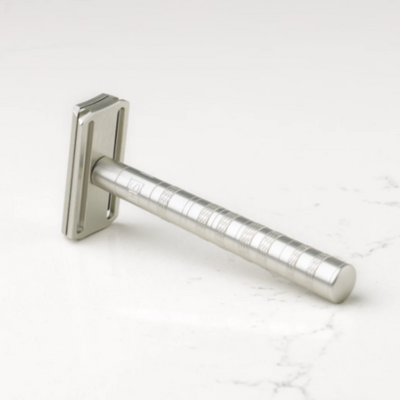
The Henson razor is a newer school of thought. Its aerospace-style machining clamps the blade firmly and sets a tight, consistent angle. If a client tells me they nick themselves every shave, I often send them to Henson shaving to start over on technique. Because the blade is supported, there’s less chatter and less tendency to dig in when you lose focus. Henson shaving Canada and other distributors carry several aggressiveness tiers. The mild is generous, the medium suits typical beards, and the aggressive belongs to confident hands with tough stubble.
Neither of these is the only answer, but both anchor the spectrum. If your skin hates experimentation, one of them will likely work.
Technique that respects skin physiology
Two moments define how your skin feels afterward. The first is beard prep. The second is how many times you revisit the same patch of skin.
Let warm water soften your beard for at least half a minute. If you shave in the shower, you already have that. In front of the sink, splash thoroughly and let lather sit for a minute before the first stroke. Glide matters more than fragrance. Use your shaving brush to paint and lightly scrub, but stop before you over-exfoliate.
Hold the razor in the last two fingers and thumb pinch, not choked up like a pencil. That grip limits pressure. Keep the angle shallow, about 30 degrees for most safety razors. If you hear sandpaper-like rasping without cutting, you’re too steep. If it skates, you’re too shallow. Short strokes with deliberate rinses keep the lather doing its job.
Map your grain by feel and observation. Most necks grow in swirls. Shave with the grain on the first pass, then across if your skin tolerates it. Save against the grain for special occasions or for skin that truly tolerates it without backlash.
The short shop manual for pairing razors to faces
- Sensitive, dry, or easily inflamed skin: mild safety razors such as the Henson mild or Merkur 34C with smooth double edge razor blades; rich, hydrated shaving soap; two passes maximum; cool rinse and a non-alcohol balm afterward. Coarse, dense beards with resilient skin: medium to medium-aggressive safety razors; sharper blades; thorough prep with warm water; consider an open comb if growth is more than 3 days; stick to two efficient passes. Curly hair prone to ingrowns: single blade razor with minimal pressure; skip against-the-grain; exfoliate lightly between shaves, not immediately before; avoid multi-blade cartridges that lift and cut below skin level. Oily or acne-prone skin: mild to medium razor; very light pressure to avoid rupturing blemishes; unscented lather that rinses clean; post-shave salicylic or witch hazel if tolerated. Precision edging for beards and lines: Shavette or straight razor once technique is solid; otherwise a mild safety razor with the corner of the blade and a clear gel to see lines.
When a disposable razor still makes sense
I keep a good disposable razor in my travel kit. On red-eye flights, in hard water hotel showers, or when your checked bag with safety razor blades is sitting in another city, a single high-quality disposable can be a relief. If you choose one, look for a single or twin blade without a heavy lubricating strip, especially if your skin breaks out. Rinse often and replace at the first sign of tug. The moment a cartridge tugs, it’s polishing your skin, not cutting hair.
Comfort is a system: blades, soap, brush, and water
The gear you hold is only one component of the shave. A soft badger or synthetic shaving brush can transform how forgiving your setup feels. I lean toward synthetics for performance and hygiene. They load quickly, dry fast, and handle hard water better than many naturals. Choose a shaving soap that lists stearic acid, tallow or palm, and glycerin early in its ingredients, and avoid heavy menthols or fragrances until you know your tolerance.
Rinse your blade in hot water, but do not wipe it on a towel. Tap water minerals and wiping both blunt edges prematurely. Pat the razor dry, disassemble the head once a week to remove soap scum, and replace double edge blades every three to five shaves for most beards. Coarse hair and infrequent shaving can reduce that interval, since hair oxidizes and dulls an edge sitting idle for days.
The role of aftercare, and why alcohol is not the villain or the hero
After the last pass, rinse with cool water to calm vasodilation. An alum block can help spot weepers and offer mild antiseptic effect, but use it sparingly if your skin is dry. Alcohol-based splashes close by evaporation and can feel crisp, but they remove lipids that fragile barriers need. If your skin is reactive, choose a fragrance-free balm with squalane, panthenol, or allantoin. If oiliness is your issue, a light gel with witch hazel can feel cleaner. I like a two-step approach when time permits: a splash for refresh, then a small amount of balm on the high-friction zones like the neck corners.
What about cigar accessories and other bathroom shelf companions
Odd pairing on a shaving blog, but I get asked. Heat and humidity age both cigars and razor blades. If you keep cigar accessories in the same cabinet as your razors, note that a poorly sealed humidor raises ambient humidity, which can encourage corrosion on carbon steel straight razors and on some razor blades. Stainless double edge blades resist rust, but not forever. Store open packs in a dry drawer. If you hone straight razors and also maintain a humidor, keep silica gel packs near your shaving kit to prevent edge oxidation.
Case notes from the chair
A software developer with soft, sensitive skin and fine hair brought me his problem: every cartridge shave left his neck red for hours. We moved him to a Henson mild with a smooth Astra blade, upgraded his lather to a slick tallow base, and had him skip against the grain. Within a week, the redness resolved, and he stopped chasing baby-smooth on his neck. The lesson was restraint.
A firefighter with dense, wiry growth shaved only twice a week and struggled with shadow even after three passes on a cartridge. He switched to a medium-aggressive open comb safety razor on weekends and a Merkur 34C midweek when time was tight. He used sharper double edge razor blades for the long-growth days and a balanced blade for maintenance. His shaves took fewer strokes and left less irritation because he stopped buffing the same zones over and over.
A barber trained on Shavette wanted a home setup but kept nicking himself with a straight razor on off days. We looked at pressure and angle, then tried a medium Henson with a sharp blade for weekdays. He kept the Shavette for edge work, and the alternation saved his skin on mornings when focus was thin.
Common mistakes that sabotage a good razor
- Pressing to chase closeness, especially on the neck where skin is mobile and follicles angle unpredictably. Dry, airy lather that looks big but cushions poorly, forcing the blade to skip and chatter. Ignoring grain direction and treating the neck like the cheeks, which invites ingrowns and post-shave heat. Reusing blades past their life span; a dull edge forces compensation, usually more pressure or more passes. Overloading fragrance and alcohol in every product, from pre-shave to aftershave, stacking irritants on already stressed skin.
Where brand names fit and where they don’t
Names like Henson shaving, Merkur, Feather, and others carry reputations because they reliably deliver certain behaviors. The Merkur 34C is predictable. The Henson razor is stable and beginner-friendly. There are boutique makers with exquisite machining that feel like luxury tools, and there are budget safety razors that perform admirably with the right blade. Double edge razor blades from the same brand can vary batch to batch, and faces interpret them differently. Trust patterns over hype. If a razor rewards light touch and delivers comfort across different soaps and waters, keep it. If it demands workarounds every time, move on.
Building your own decision tree
Start with how your skin behaves after a typical shave. If there’s heat and flush, reduce variables. Choose a mild safety razor like the Henson mild or Merkur 34C. Pair it with a smooth blade. Focus on lather hydration and light pressure. If shave closeness feels lacking once your technique is solid, step up blade sharpness before changing the razor.
If your complaint is time and tug on heavy growth, keep technique but change efficiency. Choose a medium or open comb head with a sharper blade. Respect prep. One fewer pass with an efficient setup is kinder than three passes with a mild one when your beard is thick.
If you enjoy ritual and want the closest possible result with a fully manual feel, learn a straight razor or a Shavette, but give it the training time it deserves. Many who succeed here block fifteen minutes, not five, and treat it like skill practice. Your skin will thank you for the patience.
Final thought from the sink side
A great shave is a conversation between steel, soap, and skin. Safety razors, straight razors, and even the better disposable razors can each be the right answer for the right face on the right day. Respect the variables. Invest in a lather that protects, blades that suit your beard, and razors that forgive your lapses. The payoff isn’t just a closer shave. It’s skin that feels unremarkable afterward, the quiet kind of comfort that lets you forget you shaved at all.